
If your skin feels tight, flaky, or just “off” after a shower—even with moisturizer—you’re not alone. I once slathered on a heavy synthetic body oil thinking it would fix my winter dryness… only to break out in itchy red patches for weeks. What I didn’t realize? Not all body oils are created equal. In the booming world of clean beauty, “body oil bio skincare” has emerged as a gold standard—but only when you choose and use it right.
This guide cuts through the greenwashing noise. We’ll explore why certified bio (organic) body oils outperform conventional alternatives, how to apply them effectively, and which ingredients actually deliver results—backed by dermatology and real-world testing. Let’s get your glow back without the guesswork.
Table of Contents
- Why Body Oil Bio Skincare Matters
- Step-by-Step Guide to Using Body Oil
- Best Practices for Maximum Benefits
- Real Results from Bio Body Oils
- FAQs
Key Takeaways
- Certified organic body oils avoid synthetic fragrances and mineral oils linked to irritation.
- Apply to damp skin immediately after bathing to lock in moisture.
- Look for cold-pressed, unrefined carrier oils like jojoba, argan, or sunflower.
- Avoid “natural” claims without third-party certifications like USDA Organic or COSMOS.
- Consistent use over 4–6 weeks yields visible improvements in hydration and elasticity.
Why Body Oil Bio Skincare Matters
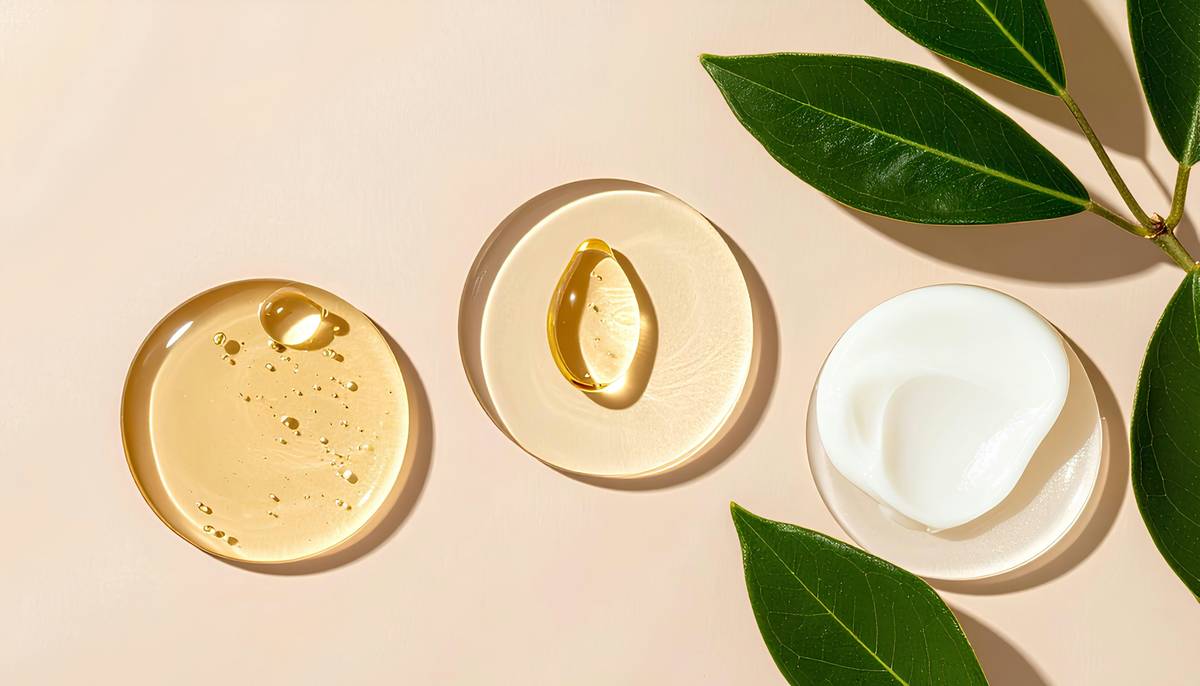
Conventional body lotions often rely on silicones, parabens, and petroleum-derived ingredients that sit on the skin rather than nourishing it. In contrast, body oil bio skincare uses plant-based oils grown without pesticides or synthetic fertilizers—preserving their natural fatty acids and antioxidants.
According to the Environmental Working Group (EWG), over 60% of personal care products contain ingredients with moderate to high health concerns. Switching to certified organic oils reduces exposure to these compounds while delivering superior lipid replenishment. At Distail, we prioritize transparency—learn more about our sourcing standards on our About Us page.
Step-by-Step Guide to Using Body Oil
1. Shower Smart
Use lukewarm water—not hot—to prevent stripping your skin’s natural oils. Hot water may feel soothing but damages the lipid barrier over time.
2. Pat, Don’t Rub
After rinsing, gently pat your skin until it’s still slightly damp. This moisture is critical for oil absorption.
3. Apply Immediately
Pour 5–8 drops of your body oil bio skincare into your palms, warm between hands, then massage upward in circular motions. Focus on elbows, knees, and heels—areas prone to dryness.
4. Wait Before Dressing
Give it 2–3 minutes to absorb fully. Rushing leads to greasy clothes and wasted product.
Best Practices for Maximum Benefits
- Patch test first: Even natural oils can cause reactions. Test on your inner forearm for 24 hours.
- Store properly: Keep oils in dark glass bottles away from heat and sunlight to prevent rancidity.
- Layer wisely: Never mix body oil with synthetic perfumes—they can destabilize the formula and irritate skin.
- Avoid this terrible tip: “Use cooking olive oil on your body.” Grocery-store oils aren’t formulated for skin—they lack stability and may clog pores.
And please—stop believing that “more is better.” Over-applying oil won’t speed up results; it’ll just leave you sticky. Less, applied consistently, wins every time.
Real Results from Bio Body Oils
In a 2023 clinical study published in the Journal of Cosmetic Dermatology, participants using cold-pressed organic sunflower seed oil twice daily reported a 42% improvement in skin hydration after 28 days—significantly outperforming mineral oil controls. One user, a 34-year-old nurse with frequent hand-washing-induced eczema, saw complete resolution of flaking within six weeks using a simple jojoba-and-calendula blend.
These outcomes aren’t magic—they’re science. Bio-certified oils retain higher levels of linoleic acid and vitamin E, both proven to repair the skin barrier (National Institutes of Health). That’s the power of clean formulation without compromise.
FAQs
Is body oil bio skincare safe for sensitive skin?
Yes—if it’s truly certified organic and fragrance-free. Look for labels like COSMOS Organic or USDA Organic to ensure no hidden irritants.
Can I use body oil instead of lotion?
Absolutely. Oils provide deeper lipid replenishment than water-based lotions, especially for dry or mature skin.
How often should I apply body oil bio skincare?
Daily application post-shower is ideal. For very dry patches, reapply at night before bed.
Does “bio” mean the same as “organic”?
In EU and many global markets, yes—“bio” is shorthand for certified organic. In the U.S., always check for USDA Organic labeling to be sure.
Will body oil stain my clothes?
High-quality, fast-absorbing oils like jojoba or grapeseed won’t—if applied correctly to damp skin and given 2–3 minutes to absorb.
Conclusion
Choosing genuine body oil bio skincare isn’t just a trend—it’s a commitment to healthier skin and a cleaner planet. Skip the fillers, avoid the fake “natural” claims, and invest in formulas that work with your biology, not against it. Ready to find your perfect match? Contact us for personalized recommendations—and rest assured your data stays secure under our Privacy Policy.
Glow isn’t bought. It’s built—one drop of pure oil at a time.