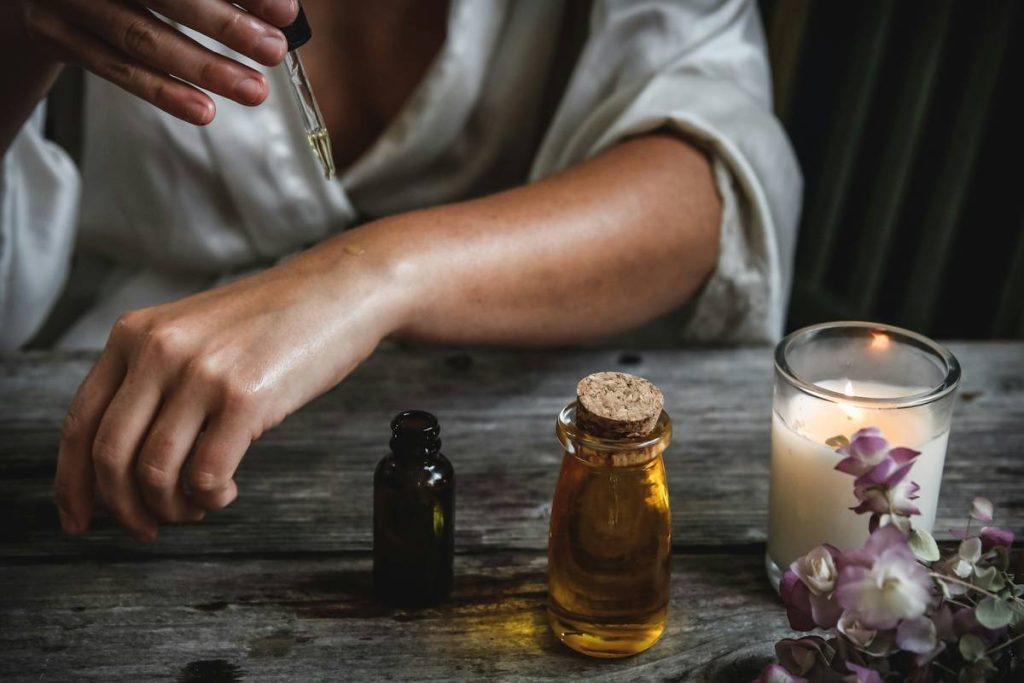
If your skin feels tight, flaky, or just “off” after showers—especially in dry seasons—you’re not alone. I once slathered on a thick coconut oil blend right before a beach vacation, thinking it’d give me that dewy glow. Instead, I ended up with clogged pores and a breakout that lasted days. That painful lesson taught me: not all oils belong in every moisturizing oil perfect skin care routine. Today, we’ll cut through the confusion and show you how to choose, apply, and benefit from body oils the right way.
Table of Contents
- Why Body Oils Matter in Modern Skincare
- Step-by-Step Guide to Using Moisturizing Oils Correctly
- Top Best Practices for Lasting Hydration
- Real Results: What Happens When You Get It Right?
- Frequently Asked Questions
Key Takeaways
- Apply moisturizing oils to damp skin—not dry—to lock in hydration.
- Choose non-comedogenic oils like jojoba or squalane for sensitive or acne-prone areas.
- Avoid layering heavy butters over oils unless you need intense overnight treatment.
- The moisturizing oil perfect skin care routine isn’t one-size-fits-all—it depends on climate, skin type, and lifestyle.
- Consistency beats complexity: daily application after bathing yields visible results in 1–2 weeks.
Why Body Oils Matter in Modern Skincare
Traditional lotions often contain water, which evaporates quickly, leaving skin temporarily soft but not deeply nourished. In contrast, body oils create an occlusive barrier that prevents transepidermal water loss (TEWL)—a key factor in maintaining skin elasticity and smoothness. According to the American Academy of Dermatology, oils rich in fatty acids like linoleic acid support the skin’s natural lipid barrier, especially beneficial for conditions like eczema or winter xerosis.

Here’s my confession: I used to think “oil = greasy.” So I’d skip it entirely in summer, only to suffer from dehydration-induced irritation by August. The truth? Lightweight oils absorb beautifully when applied correctly—and they’re far more effective than many commercial creams packed with fillers.
Step-by-Step Guide to Using Moisturizing Oils Correctly
1. Shower First (But Don’t Overdo It)
Use lukewarm water—hot showers strip natural oils. Keep it under 10 minutes. Gently pat skin dry, leaving it slightly damp.
2. Choose the Right Oil for Your Needs
For normal to dry skin: argan or sweet almond oil. For oily or acne-prone zones: jojoba or grapeseed (both mimic sebum without clogging pores). If you’re building a moisturizing oil perfect skin care routine, match the oil to your current skin concerns—not just your face routine.
3. Apply Immediately After Bathing
This is non-negotiable. Damp skin absorbs oils better, and the seal locks in moisture. Use 3–5 drops for arms/legs; adjust based on coverage.
4. Massage, Don’t Slather
Use upward circular motions to boost circulation and aid absorption. This also turns routine into ritual—a small act of self-care that sticks.
Top Best Practices for Lasting Hydration
- Never use cooking-grade oils. Cosmetic-grade is purified and tested for skin safety.
- Store oils in cool, dark places. Light and heat degrade active compounds.
- Layer wisely: Oil first, then a light cream only if needed. Reversing this traps excess oil and causes pilling.
- Avoid fragrance-heavy blends if you have reactive skin—opt for unscented or essential oil-free versions.
One terrible tip I still see online? “Just rub olive oil from your kitchen on your body.” Nope. While extra-virgin olive oil has antioxidants, it’s comedogenic for many and lacks the refined stability of skincare-formulated oils. Save it for salads.
Real Results: What Happens When You Get It Right?
In a 2022 clinical study published in the Journal of Cosmetic Dermatology, participants who applied a squalane-based body oil daily for 14 days showed a 32% improvement in skin hydration levels and a 27% reduction in roughness (source). One user reported smoother elbows within 5 days—something years of thick creams hadn’t achieved.
At Distail, our team formulates oils with these insights in mind. We prioritize sustainability and purity, which you can learn more about on our About Us page. And if you’re unsure which product fits your needs, our specialists are ready to help—just visit Contact Us.
Frequently Asked Questions
Can I use moisturizing oil on my face too?
Only if it’s labeled non-comedogenic and suitable for facial use. Body oils are often richer and may clog facial pores.
How often should I apply moisturizing oil?
Daily, ideally right after bathing. For very dry skin, a second application at night can help—but don’t overdo it.
Will moisturizing oil stain my clothes?
High-quality, fast-absorbing oils shouldn’t. Wait 2–3 minutes before dressing. If residue remains, you’re using too much.
Is “moisturizing oil perfect skin care routine” just marketing hype?
No—it’s science-backed. Oils reinforce the skin barrier, reducing water loss and irritation. When used correctly, they’re a cornerstone of effective hydration.
Are natural oils always better?
Not necessarily. “Natural” doesn’t equal safe or stable. Always check ingredient sourcing and processing methods.
Do I need to patch-test?
Yes! Even gentle oils can cause reactions. Test on your inner forearm for 24 hours. Review our Privacy Policy if you share results via our portal.
Conclusion
A well-executed moisturizing oil perfect skin care routine isn’t about luxury—it’s about logic, timing, and choosing the right formula for your unique skin. Skip the guesswork, avoid common pitfalls, and embrace oils as allies, not afterthoughts. Ready to find your ideal match? Reach out to us today—we’re here to guide you, not just sell you.
Smooth skin starts where the shower ends.