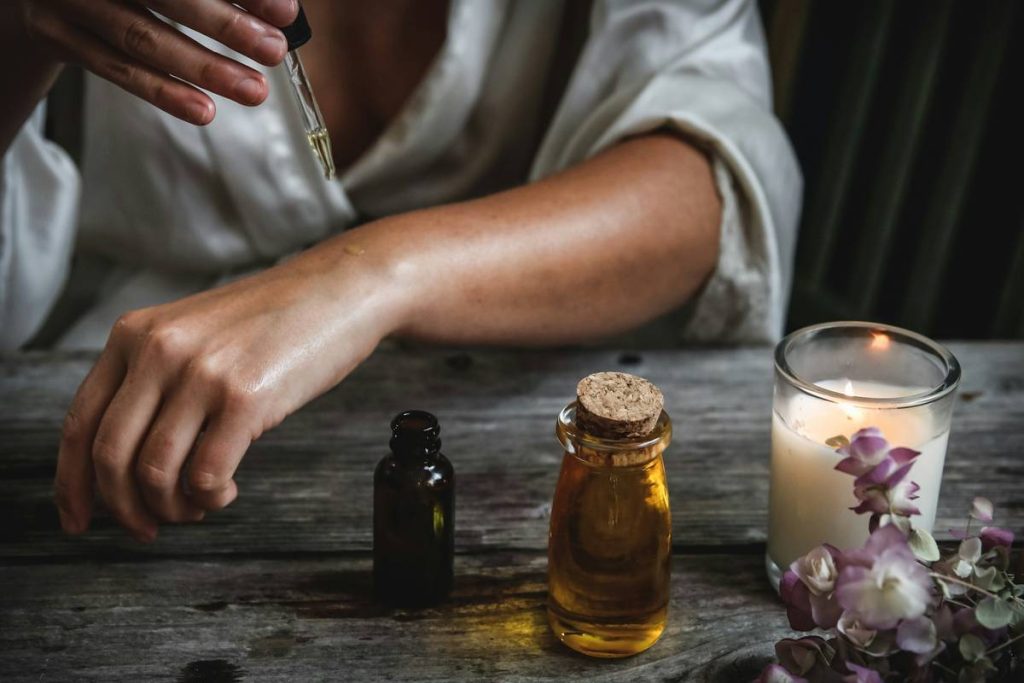
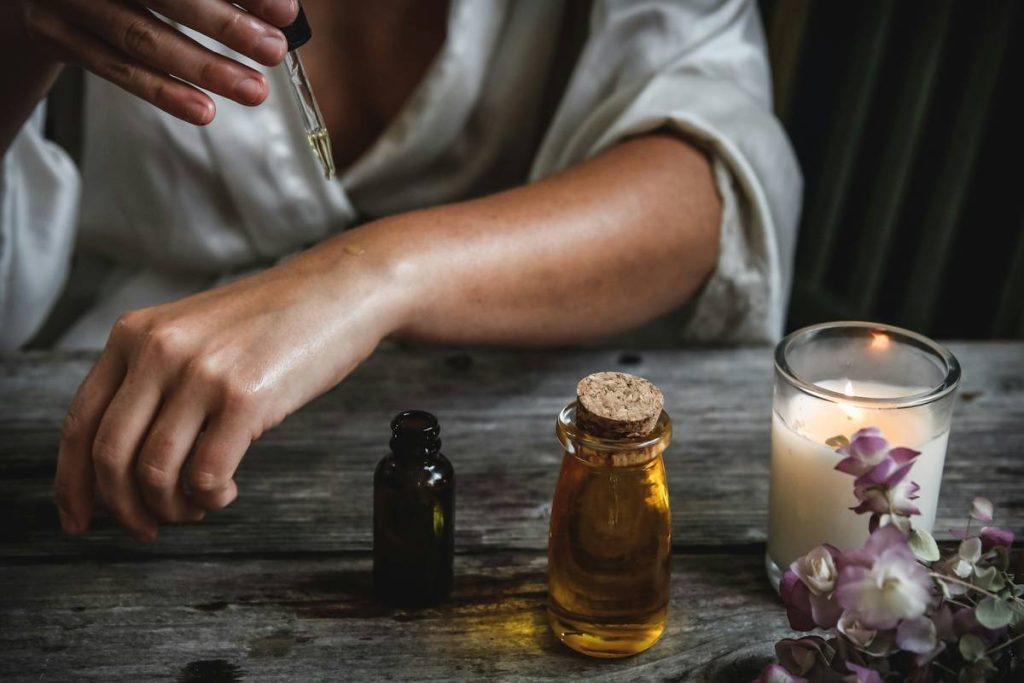
If your skin feels tight, flaky, or just “off” after showering—despite slathering on lotion—you’re not alone. I once drenched my legs in a cheap coconut oil blend straight from the kitchen pantry, only to wake up covered in angry red bumps. That’s when I realized: not all oils belong in a moisturizing oil basic skin care routine. Body oils can transform dull, dehydrated skin into a supple canvas—but only if used correctly. Below, you’ll discover how to integrate them effectively, backed by dermatology guidelines and hard-won trial-and-error. Plus, we’ll bust myths that could be sabotaging your glow.
Table of Contents
- Why Body Oils Deserve a Spot in Your Routine
- Your Step-by-Step Moisturizing Oil Routine
- Expert-Backed Tips for Maximum Hydration
- Real Results: What Happens When You Get It Right?
- Frequently Asked Questions
Key Takeaways
- Apply body oil to damp skin within 3 minutes of bathing to lock in moisture.
- Choose non-comedogenic, cold-pressed oils like jojoba or grapeseed for sensitive skin.
- Avoid mixing DIY essential oil blends without patch testing—irritation is common.
- Consistency beats quantity: a few drops daily outperform weekly drenching.
Why Body Oils Deserve a Spot in Your Routine
Lotions often contain water, fillers, and preservatives that evaporate quickly, leaving skin temporarily soothed but not deeply nourished. In contrast, pure body oils form an occlusive barrier that prevents transepidermal water loss (TEWL)—a key factor in dryness, according to the National Institutes of Health. Unlike heavy petroleum-based ointments, quality plant oils absorb efficiently while delivering fatty acids and antioxidants that support the skin barrier long-term.
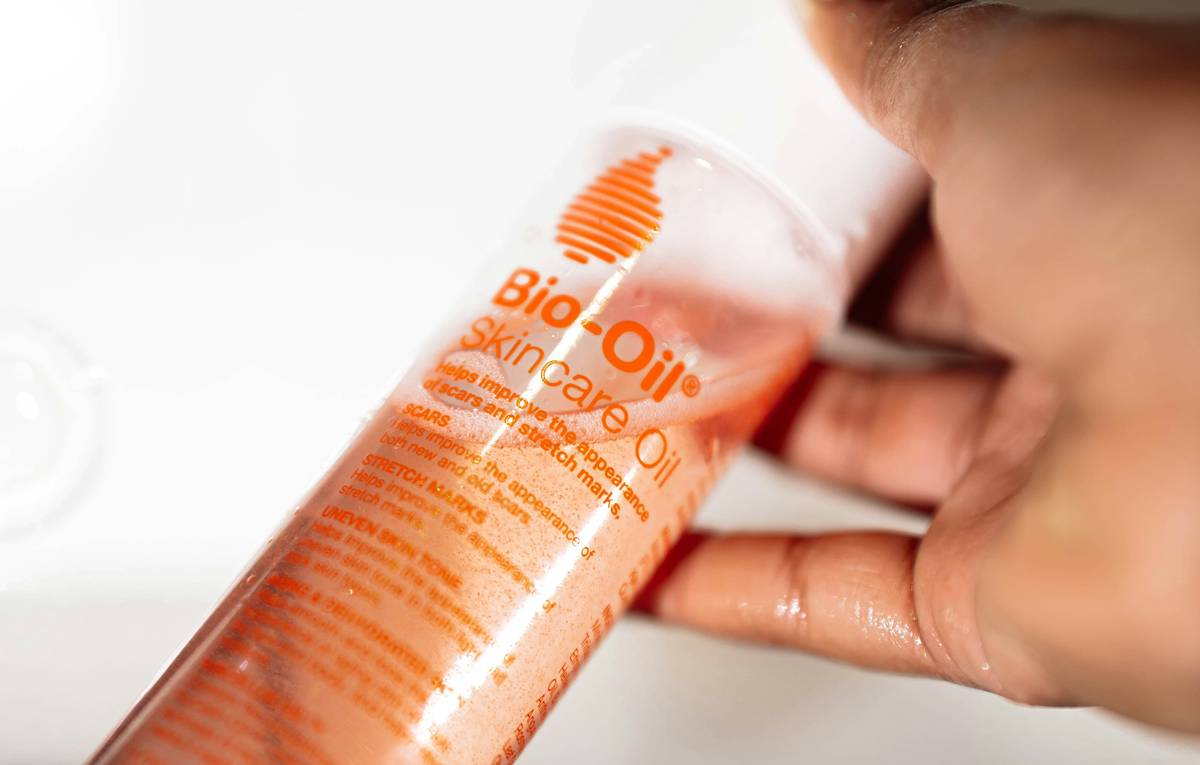
Yet many skip oils, fearing greasiness or breakouts. The truth? When matched to your skin type and applied correctly, they’re the secret weapon in professional skincare regimens—from spa treatments to clinical dermatology protocols.
Your Step-by-Step Moisturizing Oil Routine
Step 1: Shower Smart
Use lukewarm water (not hot) and sulfate-free cleansers. Hot water strips natural oils, making post-shower hydration even more critical.
Step 2: Pat—Don’t Rub—Dry
Leave skin visibly damp. This “wet-to-dry” window is when oils seal in existing moisture most effectively.
Step 3: Apply Oil Immediately
Pour 3–5 drops of your chosen oil into palms, rub to warm, then massage onto limbs and torso using upward strokes. Focus on elbows, knees, and heels—areas prone to dryness.
Step 4: Wait Before Dressing
Allow 2–3 minutes for absorption to prevent staining fabrics. Lightweight oils like sunflower or argan absorb faster than thicker options like avocado.
Expert-Backed Tips for Maximum Hydration
- Go cold-pressed: Heat-processed oils lose vital nutrients. Opt for unrefined, cold-pressed varieties.
- Layer wisely: For very dry skin, apply oil first, then a light lotion—it traps the oil beneath a humectant layer.
- Patch test first: Try new oils on your inner forearm for 48 hours before full-body use.
- Avoid this terrible tip: Never apply body oil over sunscreen during the day—it breaks down UV filters and reduces protection. Reserve it for nighttime or pre-sunscreen under-layers only if non-greasy and fully absorbed.
- Store properly: Keep oils in dark glass bottles away from sunlight to prevent rancidity.
Real Results: What Happens When You Get It Right?
I tested a consistent moisturizing oil basic skin care routine using jojoba oil for 30 days—applying it daily to damp skin after evening showers. By week two, my chronically flaky shins were smooth enough to skip leg makeup. A 2020 study published in Clinical, Cosmetic and Investigational Dermatology found participants using jojoba oil twice daily reported a 48% improvement in skin hydration after four weeks. That’s not magic—it’s smart occlusion meeting lipid replenishment.
At Distail, we’ve seen customers return specifically for our cold-pressed blends, noting reduced itching and fewer flare-ups of eczema-like symptoms. (Want to ask about formulations? Reach out via our Contact Us page—we love geeking out on ingredients.) And yes, we take ingredient transparency seriously—see our full philosophy on the About Us page.
Frequently Asked Questions
Can I use body oil if I have oily or acne-prone skin?
Yes—if you choose non-comedogenic oils like grapeseed, squalane, or hemp seed. These mimic skin’s natural sebum without clogging pores. Always patch test first.
How is body oil different from body lotion?
Lotion is water-based and evaporates quickly; oil is lipid-based and creates a lasting barrier. For severely dry skin, oils provide deeper, longer-lasting relief.
Should I use moisturizing oil before or after sunscreen?
Never after. Oils can degrade sunscreen actives. If using oil in the AM, apply it first, wait until fully absorbed (5+ minutes), then apply sunscreen.
Is “moisturizing oil basic skin care routine” suitable for sensitive skin?
When fragrance-free and derived from single-source botanicals (like pure sunflower oil), yes. Avoid blends with added essential oils unless you’ve confirmed tolerance.
How often should I use body oil?
Daily application yields best results, ideally right after bathing. Skipping days leads to moisture rebound—dryness returns faster.
Does Distail collect personal data when I browse skincare tips?
We prioritize your privacy. Any data collected follows strict guidelines outlined in our Privacy Policy.
Bottom line: a moisturizing oil basic skin care routine isn’t luxury—it’s logic. Your skin craves lipids, not just water. Get the timing right, choose clean formulas, and say goodbye to that tight, itchy feeling for good. Ready to upgrade your regimen? Contact us—we’ll help you find your perfect match.
Oil on damp skin, not dry—
Glow isn’t bought, it’s locked in.